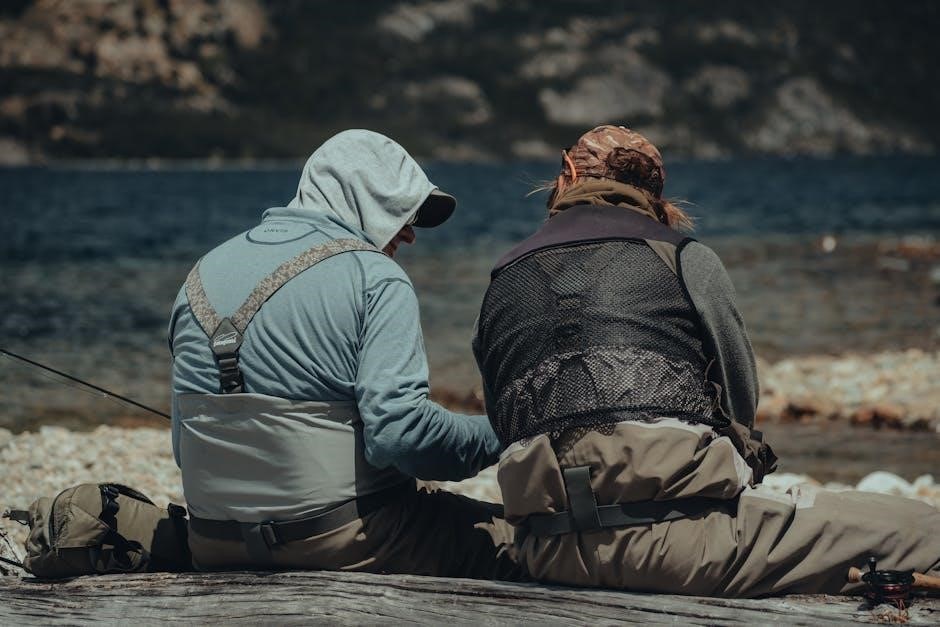
Ohio River Fishing Guides: A Comprehensive Overview
Ohio presents exceptional fly fishing opportunities, notably along the Rocky River near Cleveland, consistently ranking highly for enthusiasts seeking premier angling experiences.
Recent data from the U.S. Census Bureau highlights increasing voter registration and turnout rates, mirroring a growing civic engagement across diverse demographics.
The 2020 presidential election witnessed record participation, with 66.8% of eligible citizens casting ballots, demonstrating a significant surge in electoral involvement.
Midterm elections also show positive trends, with the 2022 congressional election achieving the highest registration rate in three decades, reaching 69.1%.
Detailed voting and registration statistics, available through the Census Bureau, offer valuable insights into voter behavior, age groups, and demographic trends.
The Ohio River, a majestic waterway, offers a diverse and rewarding fishing experience for anglers of all skill levels. Its expansive length and varied habitats support a remarkable array of fish species, making it a premier destination for both recreational and competitive fishing.
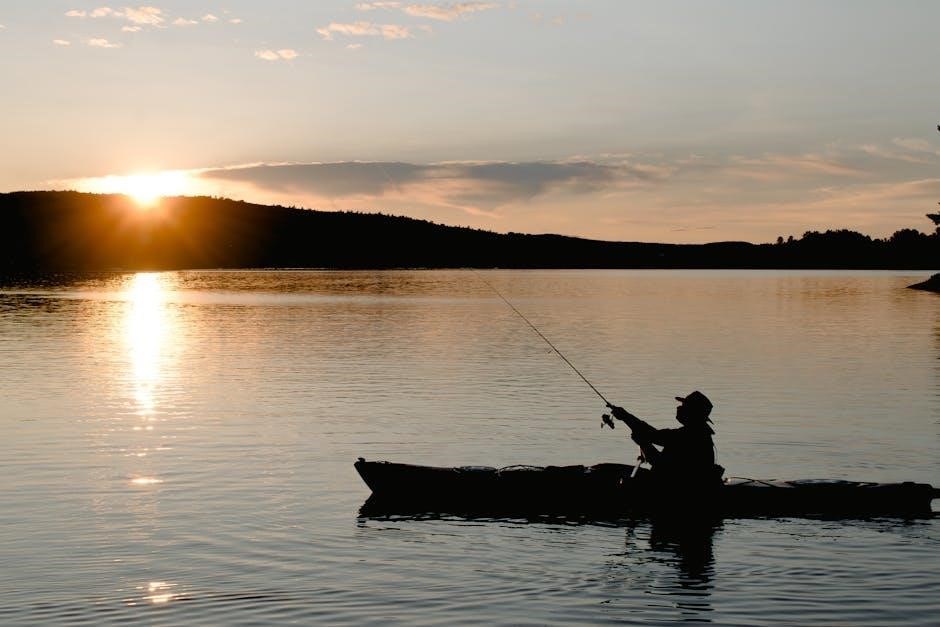
Recent data indicates a growing interest in outdoor activities, mirroring increased voter engagement and civic participation. Just as more citizens are exercising their right to vote, more individuals are discovering the joys of angling. The river’s accessibility and the potential for catching prized game fish contribute to its enduring appeal.
Ohio’s commitment to conservation and responsible fishing practices ensures the sustainability of this valuable resource, allowing future generations to enjoy the river’s bounty. The Rocky River, a standout location, exemplifies the quality angling opportunities available throughout the state.
The Appeal of Guided Fishing Trips
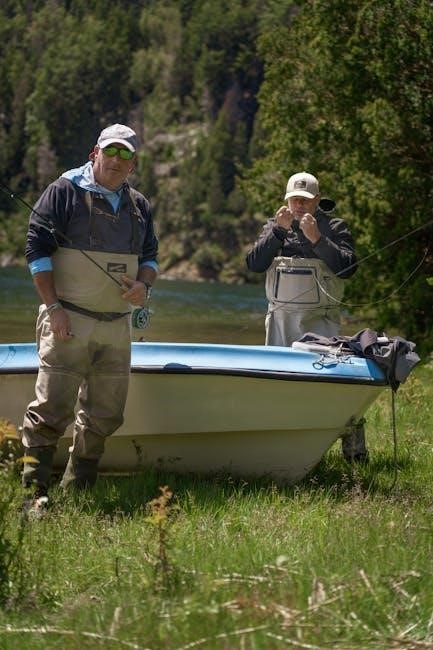
For anglers seeking to maximize their Ohio River fishing experience, guided trips offer an invaluable advantage. Experienced guides possess intimate knowledge of the river’s ever-changing conditions, fish behavior, and productive fishing spots, significantly increasing the chances of success.
Similar to the importance of informed voting, utilizing expert guidance enhances outcomes. Guides provide access to specialized equipment, proven techniques, and local insights unavailable to the casual angler. This expertise is particularly beneficial for those unfamiliar with the river or targeting specific species.
Furthermore, guided trips offer a hassle-free experience, handling logistics and ensuring a safe and enjoyable outing. This allows anglers to focus solely on the thrill of the catch, mirroring the ease of civic participation when informed and prepared.
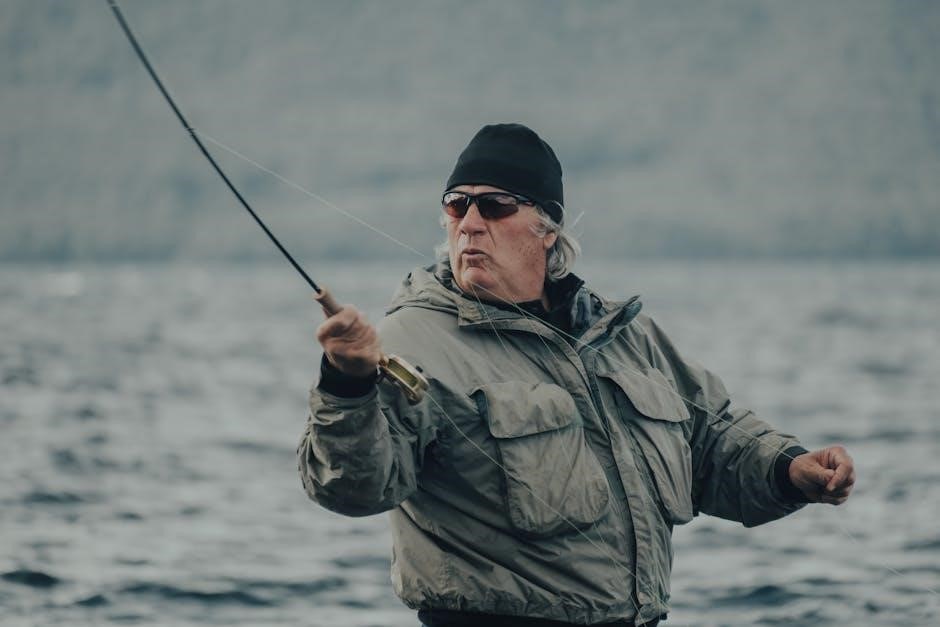
Types of Fish Available in the Ohio River
The Ohio River teems with diverse species, attracting anglers with opportunities to catch Smallmouth and Largemouth Bass, Catfish, Muskie, Pike, and various Panfish.
Smallmouth Bass Fishing
Smallmouth bass are a prized catch in the Ohio River, drawing anglers seeking thrilling battles with this powerful and acrobatic fish. The river’s rocky structure and clear waters provide ideal habitat for these bronze beauties, making Ohio a premier destination for dedicated smallmouth enthusiasts.
Fly fishing is particularly popular, capitalizing on the river’s currents and riffles, while spin fishing and bait fishing also yield consistent results; Guides specializing in smallmouth bass employ various techniques, adapting to seasonal patterns and water conditions to maximize angler success. The Rocky River, near Cleveland, is renowned for its exceptional smallmouth fishery.
Largemouth Bass Fishing
Largemouth bass thrive in the Ohio River’s slower-moving waters, backwaters, and around submerged structures. While often overshadowed by smallmouth, largemouth offer exciting angling opportunities for those targeting larger fish. These bass prefer warmer temperatures and abundant vegetation, making them prevalent during the warmer months.
Ohio River guides utilize a range of techniques, including Texas rigging, Carolina rigging, and crankbaiting, to locate and entice largemouth. Exploring coves, creek mouths, and areas with fallen trees often reveals productive fishing spots. The increasing voter turnout mirrors the growing interest in outdoor activities like bass fishing.
Catfish Species (Channel, Flathead, Blue)
The Ohio River is a renowned catfish destination, boasting substantial populations of Channel, Flathead, and Blue catfish. These bottom-dwellers offer a thrilling challenge for anglers, often growing to impressive sizes. Guides specialize in locating these whiskered giants, utilizing their knowledge of river structure and catfish behavior.
Common techniques include drift fishing with cut bait, bottom fishing with live bait, and jug fishing. The river’s diverse habitat supports all three species, with Flatheads favoring deeper, rocky areas and Blues preferring more open waters. Voter registration trends reflect a similar diversity of participation.
Muskie and Northern Pike
Ohio River guides cater to anglers seeking the thrill of Muskie and Northern Pike, apex predators known for their size and aggressive strikes. These fish inhabit the river’s cooler, weedy sections, requiring specialized techniques to target effectively. Casting large lures, such as bucktails and crankbaits, is a popular method, demanding patience and skill.
Guides possess intimate knowledge of prime Muskie and Pike locations, adapting strategies based on seasonal patterns and water conditions. Like voter turnout statistics, success relies on understanding trends and adapting accordingly. These fish provide a memorable angling experience for those willing to pursue them.
Panfish (Crappie, Bluegill)
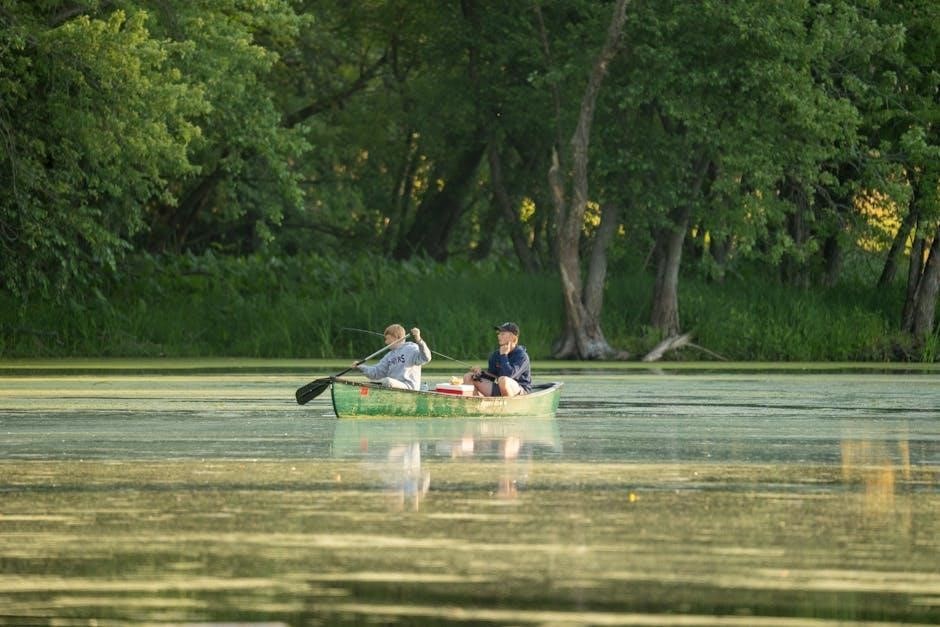
Ohio River guides also expertly target panfish – Crappie and Bluegill – offering rewarding experiences for anglers of all skill levels. These species provide consistent action, making them ideal for families and beginners. Light tackle and simple presentations, like small jigs or live bait under a bobber, are highly effective. Guides know the best locations, often near submerged structures and brush piles.
Similar to tracking voter demographics, understanding panfish habitat preferences is key to success. These fish are abundant, providing plentiful opportunities, mirroring the increased civic engagement seen in recent elections.
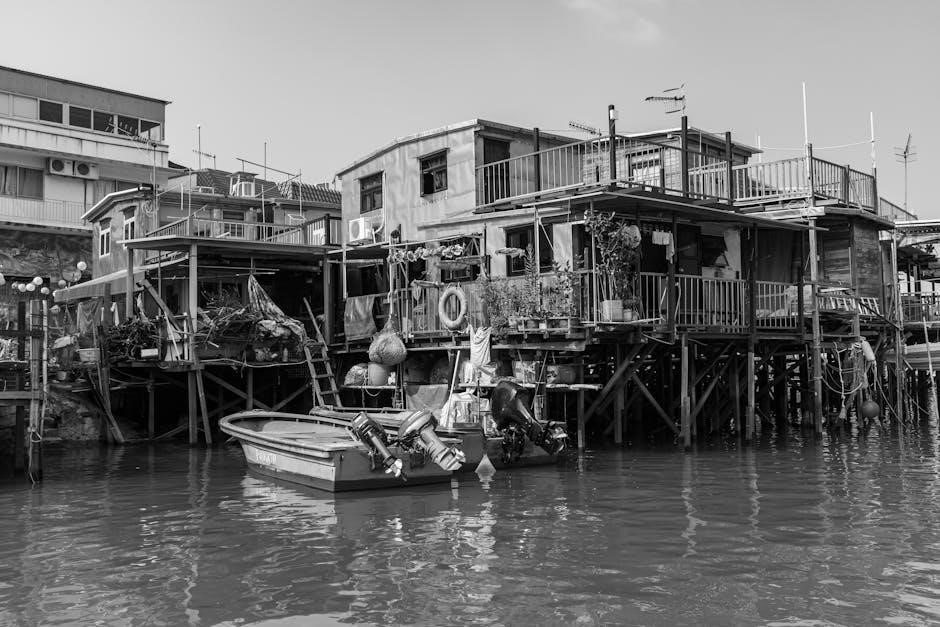
Choosing the Right Ohio River Fishing Guide
Selecting a qualified guide involves verifying credentials, assessing experience, and reviewing customer feedback – mirroring the diligence in analyzing voter turnout data.
Guide Qualifications and Licensing
Ensuring your Ohio River fishing guide possesses the necessary qualifications and licensing is paramount for a safe and productive experience. Legitimate guides will readily demonstrate current certifications, often including First Aid/CPR training, and a valid Ohio Department of Natural Resources (ODNR) license.
These licenses confirm adherence to state regulations and demonstrate a commitment to responsible angling practices. Beyond basic licensing, experienced guides may hold specialized certifications related to specific fishing techniques or species. Just as voter registration verifies eligibility, proper licensing validates a guide’s legal standing and expertise, offering peace of mind to anglers.
Always verify credentials before booking a trip.
Experience and Local Knowledge
A seasoned Ohio River fishing guide’s experience transcends mere technical skill; it embodies an intimate understanding of the river’s ever-changing conditions. Local knowledge is crucial, encompassing seasonal fish patterns, productive hotspots, and the nuances of water flow. Like tracking voter turnout trends, a guide analyzes the river’s “behavior” to maximize your success.
Years spent navigating these waters translate into an ability to adapt to unforeseen circumstances and locate fish even when conditions are challenging. Inquire about a guide’s history on the Ohio River, their preferred techniques, and their success rates with your target species.
This insight is invaluable.
Boat and Equipment Quality
The vessel a fishing guide utilizes significantly impacts your experience. A well-maintained boat ensures safety, comfort, and access to prime fishing locations. Look for boats equipped with modern fish-finding technology – similar to how the Census Bureau utilizes data for accurate reporting – and ample space for anglers and gear.
Quality fishing equipment is equally vital. Rods, reels, and tackle should be in excellent condition and appropriate for the targeted species. A reputable guide will provide top-tier equipment, or clearly outline what you should bring.
Don’t hesitate to inquire about boat safety features.
Customer Reviews and Reputation
Assessing a guide’s reputation is crucial, much like evaluating voter turnout statistics for accuracy. Online reviews offer valuable insights into past clients’ experiences. Platforms like Google Reviews and fishing forums provide unfiltered feedback regarding the guide’s knowledge, professionalism, and success rate.
Pay attention to recurring themes – consistently positive or negative comments are strong indicators. A guide’s responsiveness to reviews, both positive and critical, demonstrates their commitment to customer satisfaction.
Word-of-mouth referrals from fellow anglers are also highly valuable.
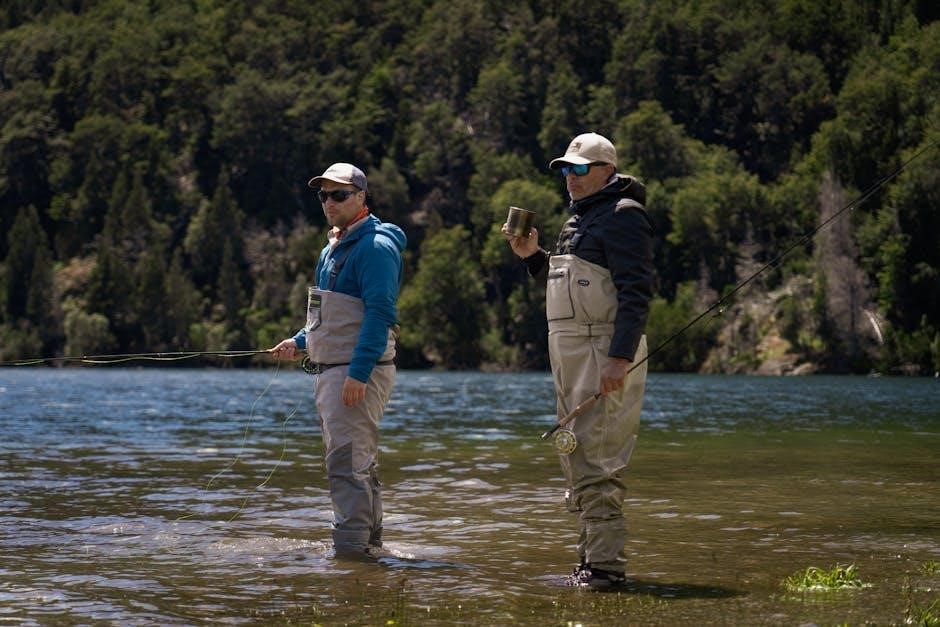
Popular Fishing Locations with Guides
Ohio’s premier fishing spots, like the Rocky River, attract anglers and guides alike, mirroring the high voter turnout observed in recent elections.
These locations offer diverse angling opportunities, reflecting the broad demographic participation in civic duties.
The Muskingum River
The Muskingum River, Ohio’s longest entirely contained waterway, presents a unique angling experience, much like the increasing voter participation seen in recent elections.
Known for its slower currents and wider pools, it’s a haven for diverse fish species, attracting both novice and experienced anglers seeking guided trips.
Guides along the Muskingum specialize in targeting catfish – channel, flathead, and blue – utilizing various bait fishing strategies.
The river’s structure, including submerged timber and rock formations, provides excellent habitat for bass and muskie, requiring specialized techniques from skilled guides.
Similar to the detailed data collected on voter demographics, Muskingum River guides possess intimate knowledge of seasonal fish patterns and productive locations.
The Scioto River
The Scioto River, flowing through central Ohio, offers a diverse fishing landscape, mirroring the broad demographic participation observed in recent elections.
This river is particularly renowned for its smallmouth bass population, attracting fly fishing enthusiasts and spin fishing experts alike, guided by local professionals.
Guides along the Scioto emphasize catch-and-release practices, promoting sustainable fishing and preserving the river’s healthy ecosystem.
They expertly navigate the river’s varying currents and depths, employing techniques tailored to specific fish habitats and seasonal patterns.
Like the Census Bureau’s detailed voter data, Scioto River guides provide valuable insights into optimal fishing times and proven strategies for success.
The Great Miami River
The Great Miami River, winding through southwestern Ohio, presents a unique angling experience, reflecting the increasing voter turnout seen in recent elections.
This river is a hotspot for both largemouth and smallmouth bass, alongside abundant catfish species, attracting anglers of all skill levels with guided trips.
Local guides utilize a variety of techniques, from bait fishing to trolling, adapting to the river’s changing conditions and fish behavior.
They possess extensive knowledge of the river’s structure, identifying prime fishing spots and maximizing angler success, much like census data analysis.
The Great Miami River offers a blend of scenic beauty and productive fishing, mirroring Ohio’s overall appeal for outdoor recreation.
Lake Erie Tributaries
Lake Erie’s tributaries in Ohio offer diverse fishing opportunities, echoing the increased voter registration rates observed in recent elections.
These rivers and streams are renowned for their walleye runs, attracting anglers eager to capitalize on the seasonal migrations, guided by local experts.
Steelhead and trout also thrive in these waters, providing year-round fishing action, mirroring the consistent data collection by the Census Bureau.
Guides specializing in these tributaries employ techniques like drift fishing and casting, adapting to the specific river conditions and fish preferences.
They provide valuable insights into seasonal patterns and prime fishing locations, enhancing the angler’s experience and success rate.
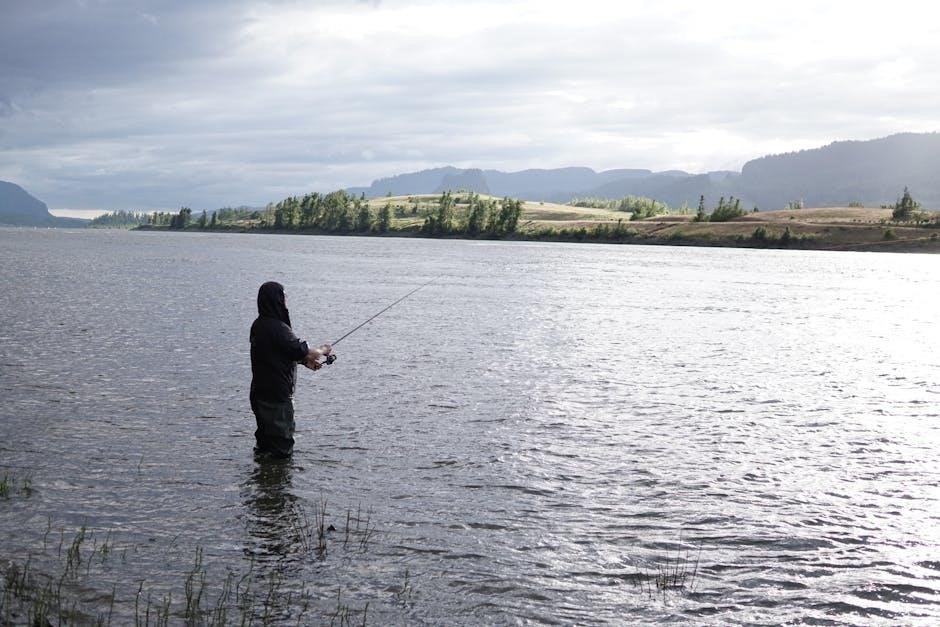
Fishing Techniques Employed by Ohio Guides
Ohio guides skillfully utilize fly fishing, spin fishing, and bait strategies, mirroring the detailed data analysis of voter demographics by the Census Bureau.
Fly Fishing for Smallmouth Bass
Ohio River guides specializing in fly fishing for smallmouth bass employ a variety of techniques, mirroring the detailed data collection seen in election statistics.
They often focus on presenting streamers and poppers near rocky structures and current breaks, capitalizing on the bass’s predatory instincts. Accurate casting and skillful presentation are paramount, demanding expertise from the guide.
Understanding seasonal patterns and insect hatches is crucial, similar to analyzing voter turnout trends. Guides adapt fly selection based on these factors, maximizing angler success. Nymphing can also be effective, particularly during cooler months, offering a subtle approach to entice strikes.
Proper fly line management and mending techniques are taught, enhancing the angler’s ability to drift flies naturally, just as understanding registration rates informs civic engagement strategies.
Spin Fishing Techniques
Ohio River fishing guides proficient in spin fishing utilize a diverse array of lures to target various species, mirroring the broad data collection in voter statistics.
Crankbaits, spinnerbaits, and jigs are commonly employed, each effective in different conditions and depths. Guides instruct anglers on proper casting techniques, retrieval speeds, and lure presentation to maximize strikes.
Understanding structure and current is vital, similar to analyzing demographic trends in election data. They locate submerged timber, rock piles, and channel edges where fish congregate.
Color selection is also key, adapting to water clarity and light conditions. Guides emphasize the importance of varying retrieves to trigger reaction strikes, much like adapting strategies based on voter turnout.
Bait Fishing Strategies
Ohio River guides specializing in bait fishing leverage natural and prepared baits to entice fish, reflecting the detailed data collection seen in voter registration statistics.
Nightcrawlers, minnows, and shrimp are popular choices, presented on various rigs like Carolina rigs, three-way rigs, and slip bobber setups. Guides demonstrate proper bait threading and hook placement for optimal presentation;
Understanding current and bottom composition is crucial, akin to analyzing demographic trends in election data. They target areas with slack water, submerged structure, and scent dispersal.
Chumming with ground bait can attract fish to the area, increasing the likelihood of bites, mirroring efforts to boost voter turnout through engagement.
Trolling Methods
Ohio River fishing guides employ trolling techniques to cover expansive areas, similar to the broad data collection in voter registration analyses.
Using planer boards and downriggers allows presentation of lures and baits at varying depths, targeting fish suspended in the water column. Crankbaits, spinnerbaits, and live bait rigs are commonly trolled.
Guides carefully monitor boat speed and lure action, adjusting based on water conditions and fish behavior, much like analyzing trends in election statistics.
GPS technology and fish finders are essential for locating productive areas and tracking trolling patterns, mirroring the precision of demographic data mapping.

Cost of Ohio River Fishing Guides
Like voter turnout statistics revealing engagement levels, guide pricing reflects experience, trip duration, and included amenities, varying considerably across the Ohio River.
Factors Influencing Pricing
Several key elements dictate the cost of an Ohio River fishing guide. The guide’s level of expertise and years of experience significantly impact rates, with seasoned professionals commanding higher fees. Trip duration – whether a half-day, full-day, or multi-day excursion – is a primary pricing determinant.
The type of fish targeted also plays a role; specialized trips for muskie or trophy catfish often cost more. Included amenities, such as tackle, bait, and boat fuel, are factored into the overall price. Finally, the guide’s location along the river and demand during peak seasons can influence pricing structures, mirroring trends seen in voter engagement data.
Typical Rate Structures (Half-Day, Full-Day)
Generally, Ohio River fishing guide rates vary, but common structures exist. A half-day trip (typically 4-6 hours) usually ranges from $300 to $500, covering one or two anglers. Full-day excursions (8-10 hours) typically fall between $500 and $800, accommodating the same number of participants.
These prices often include the boat, tackle, and the guide’s expertise. Additional costs may apply for extra anglers, specialized techniques, or travel beyond a certain radius. Like voter turnout statistics, pricing can fluctuate based on seasonality and demand, with peak times commanding higher rates.
Package Deals and Add-ons
Many Ohio River fishing guides offer package deals to enhance the experience. These might include lodging, meals, or even fly-fishing lessons, similar to comprehensive voter registration drives. Multi-day trips often come with discounted rates, providing better value for dedicated anglers.
Common add-ons include professional fish cleaning and packaging for transport, ensuring your catch reaches home in prime condition. Some guides also offer photography services to capture memorable moments, mirroring the documentation of election statistics. Expect to pay extra for these conveniences, but they can significantly elevate your trip.
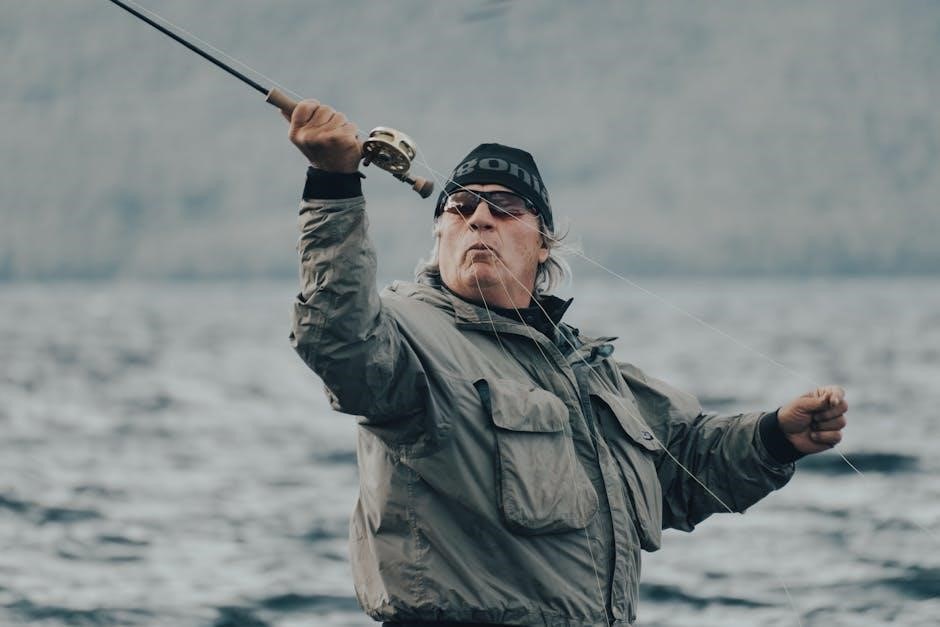
What to Expect on a Guided Trip
Expect thorough pre-trip planning and communication with your guide, similar to voter outreach efforts, ensuring a tailored and successful angling adventure on the Ohio River.
Pre-Trip Communication and Planning
Before your Ohio River fishing excursion, anticipate detailed communication from your chosen guide. This initial contact mirrors the comprehensive data collection seen in voter registration, aiming to understand your fishing experience and target species preferences.
Discuss desired techniques – fly fishing, spin casting, or bait fishing – and any specific fish you hope to catch, much like understanding voter demographics. Your guide will likely inquire about your physical capabilities to tailor the trip appropriately.
Expect a conversation regarding necessary licenses and permits, mirroring the legal requirements for voting. They’ll also provide a packing list, ensuring you’re prepared for the conditions, and confirm meeting location and time, similar to election day procedures.
On-the-Water Experience
The actual fishing trip will be a dynamic experience, mirroring the fluctuating voter turnout rates observed in recent elections. Your guide will leverage their local knowledge to locate productive fishing spots, adapting to river conditions and fish behavior.
Expect instruction on chosen techniques, whether it’s mastering fly casting or effective bait presentation. Safety briefings are standard, akin to ensuring fair election procedures. The pace will be tailored to your skill level and preferences, prioritizing enjoyment and learning.
Throughout the day, your guide will share insights into the Ohio River ecosystem and fishing strategies, fostering a deeper appreciation for the sport, much like understanding civic engagement.
Post-Trip Follow-up
Following your Ohio River fishing adventure, expect a check-in from your guide, similar to post-election analyses of voter demographics. This may include photos from the trip, shared via digital platforms, preserving memories of your angling success.
Guides often solicit feedback to refine their services, mirroring the Census Bureau’s data collection on voting trends. They might offer tips for improving your technique or suggest resources for further learning.
Some guides maintain client lists for future trips, fostering long-term relationships, much like building consistent voter engagement. Don’t hesitate to ask questions or share your experience!
Ohio Fishing Regulations and Licensing
Compliance with Ohio Department of Natural Resources (ODNR) rules is crucial, mirroring the importance of accurate voter registration data for fair elections.
Obtain the necessary fishing license, and be aware of size and creel limits, ensuring sustainable angling practices, like informed civic participation.
Ohio Department of Natural Resources (ODNR)
The Ohio Department of Natural Resources (ODNR) serves as the primary governing body for all fishing activities within the state, much like the U.S. Census Bureau tracks voter demographics.
ODNR diligently manages the Ohio River’s fisheries, ensuring the health and sustainability of fish populations through scientific research and careful regulation, mirroring the Census Bureau’s data collection.
Their website provides comprehensive information regarding fishing licenses, permits, and current regulations, offering a readily accessible resource for anglers, similar to election information portals.
The ODNR actively promotes responsible angling practices and conservation efforts, fostering a balance between recreational fishing and environmental stewardship, echoing the importance of civic duty.
Staying informed about ODNR updates is vital for all Ohio River fishing enthusiasts, ensuring compliance and contributing to the long-term health of the fishery.
Required Fishing Licenses
Ohio mandates that all anglers aged 16 and older possess a valid fishing license to legally fish in the Ohio River, mirroring the requirement to be registered to vote.
Various license options are available, including annual, multi-year, and short-term permits, catering to different fishing frequencies and preferences, much like election cycles.
Resident and non-resident licenses are priced differently, with discounts offered for seniors and individuals with disabilities, reflecting demographic considerations.
Licenses can be conveniently purchased online through the ODNR website, at authorized retailers, or via the HuntFishOH mobile app, similar to online voter registration.
Ensuring you have the correct license before casting a line is crucial to avoid penalties and support the conservation efforts funded by license revenue.
Size and Creel Limits
Ohio River fishing is governed by specific size and creel limits designed to ensure sustainable fish populations, akin to regulating voter access and participation.
These regulations vary depending on the fish species, such as Smallmouth Bass, Catfish, and Muskie, mirroring diverse demographic voting patterns.
Minimum size limits protect juvenile fish, allowing them to mature and reproduce, while creel limits restrict the number of fish an angler can keep daily.
Anglers must consult the current Ohio Fishing Regulations booklet or the ODNR website for the most up-to-date information, similar to checking election laws.
Adhering to these limits is vital for preserving the Ohio River’s fishery for future generations, reflecting responsible stewardship.