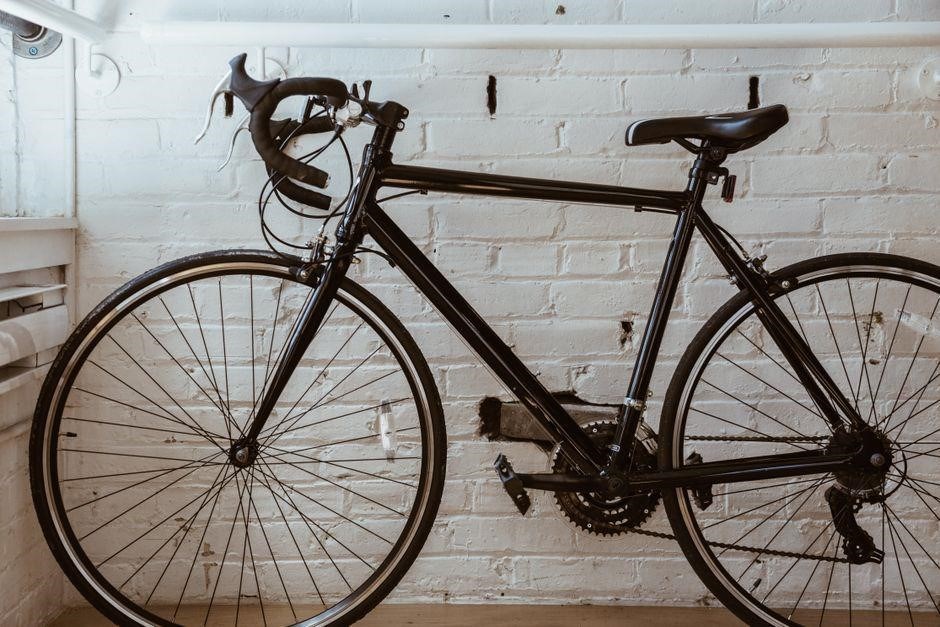
Define Your Riding Purpose

Identify your daily commute, leisure rides, or long‑distance training. Choose a road bike for speed, a city model for comfort, while a hybrid for versatility. E‑bikes add power for hills, while step‑through frames ease mounting. Match type to terrain and goals. Consider weather, traffic, and fitness
Road, City, Hybrid, E‑Bike, and Step‑Through Options
Choosing the right category begins with the core purpose of your rides. A road bike, built on a lightweight frame with drop bars, excels at high‑speed commuting, group racing, and long distance on paved surfaces. City bikes feature upright geometry, wide tires, and fender mounts, making them ideal for errands, short trips, and urban traffic. Hybrids blend the best of both worlds, offering a comfortable seat and versatility for mixed‑terrain rides. E‑bikes add a motor and battery, allowing effortless climbs and extended range; they come in road, city, and hybrid styles, each tuned to the rider’s power needs. Step‑through frames, with low top tubes, cater to riders who value easy mounting and dismounting, especially useful for those with mobility concerns or for carrying gear. When selecting a type, consider daily routes, terrain, and whether you need a motor, a step‑through, or a pure mechanical experience. Each category’s geometry, component layout, and weight influence performance, handling, and comfort, so align the bike’s design with your specific riding goals and lifestyle. For commuters, a city or hybrid with integrated lights and racks offers practicality; for enthusiasts, a road bike with a narrow wheelbase delivers agility. For trail‑mixers, a hybrid with wider tires and a relaxed frame gives stability. If you plan to tackle hills regularly, an e‑bike’s assist can reduce fatigue. Finally, test the feel of the handlebars and seat position in a short ride to ensure the chosen type truly matches your body and habits today,! They suit commuters and riders!
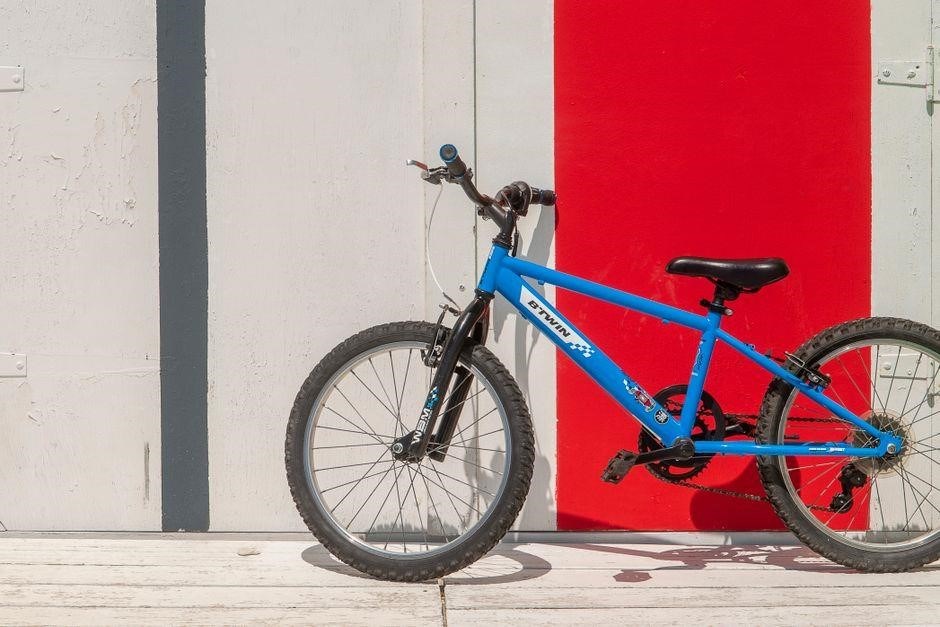
Set a Realistic Budget
Set a realistic budget by evaluating value, resale, and warranty. Consider frame material, drivetrain, and accessories. Allocate funds for maintenance and future upgrades. Compare local shop prices with online deals, and factor in tax, shipping, and insurance for a complete cost picture. now and!!!
Value Assessment, Resale, and Warranty Considerations

When evaluating a bike’s long‑term value, start with the initial cost versus the expected lifespan. A higher‑end frame often retains quality, but a budget model can still offer solid performance if it uses durable aluminum or chromoly. Track the manufacturer’s warranty: most brands provide 2‑year frame coverage and 1‑year component protection, while premium lines may extend to 5 years. Verify what is covered—cracks, stress fractures, and drivetrain wear are common exclusions. Resale potential hinges on brand reputation, frame material, and maintenance history. Chromoly and carbon frames tend to hold value better than entry‑level aluminum. Keep all receipts, service records, and original packaging; these documents boost resale price and reassure buyers. Consider the bike’s market niche: a city commuter with a step‑through frame may fetch a higher price in urban resale markets, whereas a lightweight road bike appeals to performance riders. Finally, factor in the cost of future upgrades—new wheels, brakes, or a motor kit for an e‑bike can extend the bike’s useful life and increase its resale appeal. Balancing upfront cost, warranty terms, and resale prospects ensures you invest in a bike that delivers lasting value.
When comparing models, examine frame geometry for weight distribution; a lighter frame often improves handling and reduces maintenance. Many brands now offer extended warranties on key components, adding long‑term savings. A strong online community can also provide troubleshooting tips that extend a bike’s life.

Evaluate Frame Materials and Geometry
Aluminum is lightweight and affordable, but less stiff than chromoly. Carbon offers vibration dampening and stiffness, at higher cost. Chromoly balances strength and weight. Geometry affects handling: short top tubes for agility, long for stability. today!!.
Aluminum, Carbon, Chromoly, and Low Step‑Over Clearances
When selecting a frame, consider material and geometry. Aluminum offers a lightweight, affordable option with a slightly compliant feel, ideal for city and hybrid models. Carbon excels in stiffness‑to‑weight ratio, delivering responsive handling for road and performance bikes, though it comes at a premium and may absorb vibrations differently. Chromoly, a steel alloy, provides durability and a classic ride feel, making it suitable for touring and rugged terrain. Low step‑over designs focus on frame geometry, allowing riders to mount and dismount quickly; they are common in step‑through and city bikes, improving accessibility for all ages. Evaluate stiffness, damping, and weight trade‑offs to match your riding style and budget. Remember that frame geometry influences handling: steeper angles favor speed, while slack angles enhance stability. Selecting the right combination of material and geometry ensures a comfortable, efficient, and safe riding experience.
Frame geometry also dictates how a bike behaves in corners and on climbs. A steeper head angle tightens steering, giving a punchy feel for racing, while a slack angle offers stability at high speeds. Bottom bracket height influences pedal clearance and comfort, especially for riders with longer legs. Dropouts and fork steerer tube length affect wheel alignment and maintenance ease. Tailoring geometry to your body proportions and riding style maximizes efficiency and reduces fatigue over time.
Choosing the right geometry is as vital as selecting the frame material!

Choose the Right Drivetrain
Match gears to terrain: 3‑9 speeds suit city or light trail use; 10‑12 speeds for varied climbs. E‑bike motors need compatible shifters. Consider chainring size, derailleur capacity, and cassette range for smooth shifting and efficient power transfer. for all use
3 to 9 Speeds, Gear Ranges, and Motor Assist for E‑Bikes
For both conventional and electric bikes, a 3‑to‑9 speed drivetrain strikes a sweet spot between simplicity and versatility. A 3‑speed cassette gives a broad gear spread, perfect for flat rides and moderate hills. A 9‑speed cassette, paired with a 2‑speed shifter, offers finer cadence control and smoother shifts, especially on varied terrain.
On e‑bikes, motor type influences drivetrain choice. Mid‑drive motors pair best with 9‑speed cassettes, exploiting the full gear range for efficient power. Hub motors often work well with 3‑speed cassettes, keeping the system lighter and easier to maintain. Always match chainring and cassette to the motor’s torque rating to prevent premature wear.
Gear ratios should match your riding style. Lower ratios (e.g., 48/22) favor climbing and low‑speed torque; higher ratios (e.g., 52/18) support sprinting and high‑speed cruising. E‑bike riders can set assist thresholds—low for gentle support and high for aggressive climbs—ensuring the drivetrain and motor work in harmony.
Quality shifting matters. Shimano, SRAM, and Campagnolo offer reliable 3‑to‑9 speed groupsets, but e‑bike components need extra durability. Look for “e‑bike ready” shifters and derailleurs that handle the motor’s torque. A well‑matched drivetrain delivers reliability, efficiency, and lasting enjoyment.

Remember to test each gear shift under load; a transition indicates tension and derailleur alignment. For e‑bikes, also verify that the motor’s assist peaks match your cadence preferences, ensuring a natural feel throughout the ride.

Comfort and Accessibility Features
Step‑through frames lower the barrier to mounting, while low step‑over designs reduce strain. Saddle height and ergonomic grips enhance comfort. Look for padded seat posts, easy‑to‑reach brakes. These features keep rides smooth and accessible for all riders. Comfortable grips cushion reduce fatigue.!
Step‑Through Frames, Low Step‑Over, and Saddle Comfort
Step‑through frames are designed for riders who prioritize ease of mounting and dismounting, especially useful for those with mobility constraints or who carry gear. The frame’s lower top tube and open head tube allow a lower seat height without compromising reach. Low step‑over clearance—typically 22–25 cm—ensures you can cross the bike smoothly, reducing the risk of tripping on uneven pavement or when stopping abruptly. When selecting a saddle, look for ergonomic contours, adequate padding, and a shape that matches your sit‑bone anatomy. A well‑cushioned seat with a slight recline can alleviate pressure points during long rides. Adjustable seat posts and stems let you fine‑tune height and angle, while a lightweight frame keeps the overall weight manageable. Test the bike in real‑world conditions: walk around it, hop on and off, and take a short ride to feel the seat’s support and the frame’s stability. Pay attention to how the frame’s geometry influences your posture; a slightly slack angle can reduce neck strain, whereas a more upright stance improves visibility in traffic. Finally, consider the frame material—aluminum offers affordability, while carbon provides vibration dampening for a smoother ride. By focusing on step‑through accessibility, low step‑over, and saddle comfort, you’ll find a bike that feels natural and reduces fatigue on every trip. A bike that feels right keeps you riding longer, enjoying every mile, and staying healthy; the right saddle and frame make journey effortless!!.

Test Ride and Fit Your Bike
Before buying, test ride to feel fit, handling, and comfort. Adjust seat height, handlebar reach, and pedal position. Professional fitting offers precision, while DIY tweaks suit budget. Test on varied terrain, check braking, gear shifts, and frame geometry for confidence. and tune saddle height.!!
Importance of Test Rides, Professional Fit vs. DIY Adjustments
Before finalizing a purchase, a test ride reveals real‑world feel that photos cannot capture. It lets you assess frame geometry, handlebar reach, seat height, and pedal feel under varied conditions. A short 10‑minute spin on a city street, followed by a 30‑minute ride on a gravel trail exposes any stiffness or wobble that may not be apparent in a showroom.
Professional fitting services adjust stem length, saddle angle, and crank arm length to match your biomechanics. A certified fitter uses pressure mapping, video analysis, and adjustable components to minimize joint stress and maximize power output. The cost is offset by reduced injury risk and improved comfort over time.
DIY adjustments, while budget‑friendly, rely on personal intuition. Adjusting the saddle height using a simple ruler or the “toe‑on‑the‑ground” method can lead to over‑ or under‑height, causing knee strain or inefficient pedaling. Similarly, altering stem angle without a torque wrench may result in loose bolts and safety hazards.
For e‑bikes, test rides are crucial to evaluate motor assist levels, battery range, and throttle responsiveness. A professional fit can also optimize the location of the battery and handlebar grip for ergonomic handling during long rides.
Many riders adjust seat posts, clip‑less pedals, and fine‑tune ride feel. After a test, note vibration or discomfort, tweak fit before buying. A bike cuts fatigue daily and joy!.
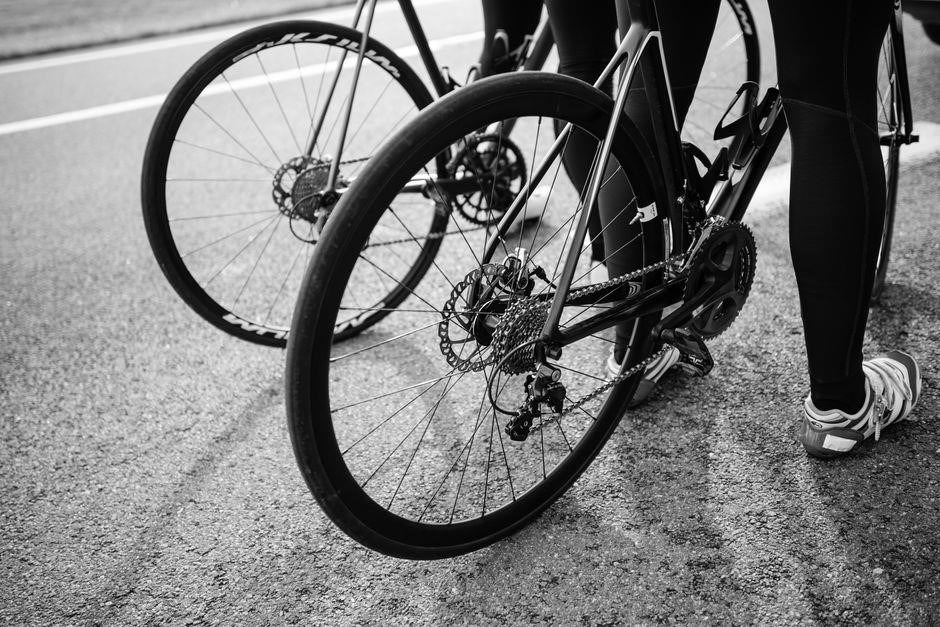
Buy from the Right Channel
Choosing the right channel balances price, support, and community. Local shops offer hands‑on fitting, quick repairs, and personal advice while online retailers provide selections competitive deals Media guides and forums help compare models, community groups offer test rides and peer insight!!! !!
Local Bike Shops, Online Retailers, Media Guides, and Community Resources
Choosing a purchase channel shapes your bike experience. Local shops provide hands‑on fitting, immediate service, and expert advice on frame geometry and component choice, ensuring a perfect fit before you ride off.
Online retailers offer a wide selection, competitive pricing, and home delivery, but lack a test ride. Many sites provide return policies, virtual fitting tools, and detailed specs to help you choose, while pairing a purchase with a local shop for final assembly can combine convenience and expertise.
Media guides from cycling magazines, blogs, and YouTube reviewers deliver unbiased, in‑depth reviews, video test rides, and price‑performance analyses that help you compare models and stay current with new releases and technology trends.
Community resources—clubs, forums, and local groups—offer peer reviews, trade tips, and maintenance hacks. Engaging with these networks provides real‑world insights, discounts, and a sense of belonging that can influence long‑term ownership and riding confidence.
Balancing these channels—shop expertise, online convenience, media depth, and community wisdom—ensures you find a bike that fits your needs, performs reliably, and aligns with your lifestyle and budget, giving you confidence for every ride.
When finalizing your purchase, consider warranty terms, return policies, and post‑sale support. A reputable dealer will offer a clear warranty on frame and components, easy access to spare parts, and a responsive service team. Local shops can expedite repairs, keeping your bike in top shape for years.
Test ride to confirm fit and comfor now